

All other logos and trademarks are the property of their respective owners
© Copyright Rainer Diesel Performance - All Rights Reserved 2026

In the latter half of the 1998 model year, Dodge shook things up under the hood of their diesel-powered trucks. While the Ram 2500 and 3500 models kept their iconic body style—with just a few subtle cosmetic tweaks—they packed a serious punch with a revamped version of the legendary 5.9L Cummins diesel engine. In the high-stakes world of diesel trucks, where horsepower and torque are the name of the game, Dodge wasn’t about to be left behind. The drive to dominate the competition helped pave the way for the debut of the powerful 24-valve Cummins engine—a game-changer that raised the bar for diesel performance.
Ditching the 12-valve setup, Dodge doubled the valves per cylinder to four, boosting airflow and combustion efficiency. Paired with an electronically controlled VP44 injection pump, the 24-valve Cummins delivered sharper throttle response and a broader torque curve. Turbocharger upgrades followed, with models from 2001 to 2002 getting the newer HY35W turbo for even better performance.
Between 1998.5 and 1999, Dodge trucks with automatic transmissions packed a solid punch, boasting 215 horsepower and 420 lb-ft of torque. From 2000 to 2002, those numbers got a friendly nudge upward to 235 horsepower and 460 lb-ft of torque. Meanwhile, the manual transmission-equipped standard-output 2nd gen trucks held steady at 235 horsepower and 460 lb-ft of torque. But the real showstopper arrived in 2001 with the high-output (H.O.) 24-valve engine—featuring beefed-up fuel injectors and a tricked-out VP44 pump—pushing power up to an impressive 245 horsepower and a mighty 505 lb-ft of torque. Talk about muscle!
From 1998.5 through 2002, Dodge diesel trucks came paired with either the rugged NV4500 5-speed manual or the reliable (but somewhat fragile) 47RE 4-speed automatic transmission. Then in ’99, the game changed with the arrival of the NV5600 6-speed manual featuring a stout 1.25″ input shaft. But Dodge really flexed their muscle for the 2001–2002 High-Output (H.O.) models by dropping in a beefier NV5600 with a 1.375″ input shaft, built specifically to handle the H.O. engine’s extra torque and horsepower. This upgrade wasn’t just nice to have—it was a must-have for anyone wanting to tap into that extra diesel power.
On the flip side, the 47RE automatic was never designed to be a heavyweight champion. While fine for stock power levels, once you start pushing more horsepower and torque, the 47RE can show its weaknesses. For those planning mods or serious towing, upgrading the torque converter and reinforcing the transmission internals is a smart move—think of it as giving your automatic transmission the armor it needs to keep up with your beastly diesel.
1.) VP44 Injection Pump
Over the years, the VP44 injection pump has developed something of a “bad boy” reputation—mainly because it’s known for a high rate of pump failures. The usual culprit? The rotor seizing up, causing all kinds of headaches. One big reason these pumps throw in the towel is that the factory lift pump often can’t deliver enough fuel, starving the VP44 of the juice it needs to keep running smoothly. Add to that the lower lubricity of modern ultra-low sulfur diesel fuels, and you’ve got a recipe for premature wear. To stay ahead of trouble, it’s a smart move to install an aftermarket fuel pressure gauge and keep a close eye on fuel pressure feeding the pump—think of it as your VP44’s early warning system.
2.) “53” Block Cracks
Between 1999 and 2002, Dodge trucks rocking the notorious “53” block—named for the number cast right on the driver’s side—have been known to develop cracks over time. When this happens, you’ll probably spot coolant leaking where it shouldn’t, and sadly, the fix isn’t as simple as a quick patch. Some folks try topping off coolant, slapping on epoxy, or even getting fancy with block stitching, hoping to dodge the inevitable. But the truth? The “53” block is just too thin in that area to hold up to a permanent repair. It’s like putting a bandage on a leaky pipe—it might help for a while, but eventually, you’re going to need to replace the whole thing. So if you spot a crack, plan on swapping the block to keep your diesel running strong and avoid bigger headaches down the road.
3.) Accelerator Pedal Position Sensor (APPS)
One pesky problem that plagues the 2nd-gen Dodge diesel is the dreaded Accelerator Pedal Position Sensor—or APPS for short—failure, often nicknamed the “Dead Pedal.” When this little sensor gives up, your truck can suddenly lose all throttle response, leaving you stuck and frustrated. Sometimes, a failing APPS will throw out trouble codes like P0122 (Throttle Position Sensor Voltage Low) or P0123 (Throttle Position Sensor Voltage High), giving you an early warning. You can try cleaning the sensor to buy some time, but in most cases, replacement is the name of the game. Keep an eye on it, or that dead pedal might leave you high and dry!
Pros
Cons
The legendary 5.9L Cummins is about as tough as they come—a true workhorse that often outlasts the truck wrapped around it. The 24-valve version brings more to the table than its 12-valve predecessor, delivering extra horsepower, quicker throttle response, and a broader, more usable torque curve. Even when performance upgrades are thrown into the mix, these engines are known to soldier on for hundreds of thousands of miles before needing any major work. Among the lineup, the 2001–2002 High-Output models paired with the NV5600 6-speed manual are especially sought-after for their power and durability. That said, as with any older pickup, rust can be a challenge—especially in snowbelt states—so finding a clean, solid truck might take a little extra hunting depending on where you’re shopping.
5. Cooling System
The 5.9L 24-valve Cummins is about as mechanic-friendly as it gets. Its straightforward design and reputation for durability make it a favorite among DIYers and diesel techs alike. The inline-6 configuration not only adds to its reliability, but also gives you generous space to work in the engine bay—no scraped knuckles or puzzle-like disassembly required. Whether you’re changing injectors or just doing routine maintenance, this engine is built to be hands-on.
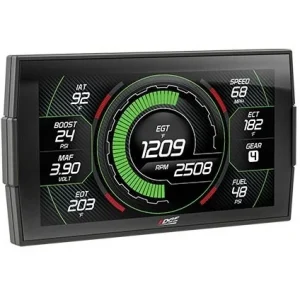
Add up to 120 horsepower and 350 lb-ft of torque in just minutes—no wrenches, no sweat. A dash-mounted tuner not only unlocks serious power on demand, but also lets you keep an eye on all your critical engine and transmission stats in real time. It’s performance and peace of mind, all in one sleek package.
Shop Tuners & Programmers
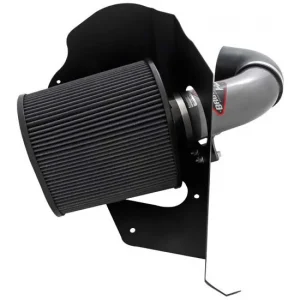
Let’s get more airflow and more power for your truck! Air intakes are a go-to upgrade, and the best part? They’re a breeze to install. Boosting your vehicle’s performance has never been so easy!
Shop our big selection of Air Intake Systems
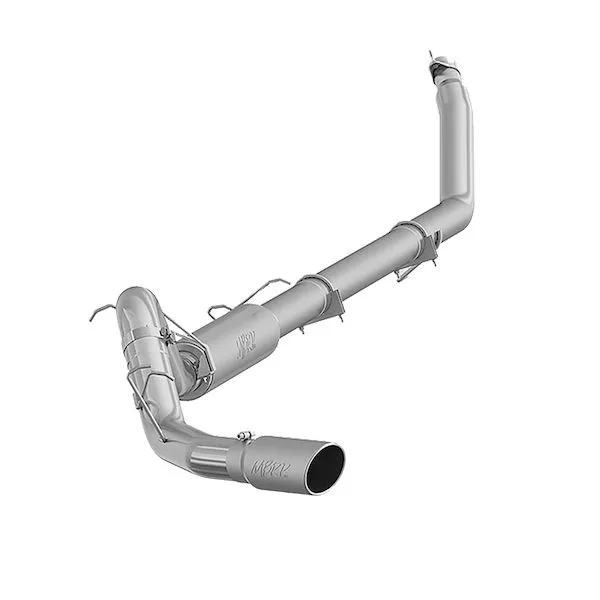
Upgrade your exhaust system, and you’ll not only boost horsepower and torque but also keep those exhaust gas temperatures (EGT’s) in check. It’s a win-win for your ride!

Direct-fit replacement and performance fuel injectors make replacing worn-out injectors simple and efficient, getting your truck back to peak performance in no time.
Check out our stock and performance fuel injectors

Fuel pumps are a common weak spot on these trucks, so it’s smart to upgrade your fuel lift pump since the factory one often struggles to keep up, even at stock levels. Upgrading to something like an AirDog or FASS is a great move—they offer extra volume to ensure your system runs smoothly and efficiently.
Upgrade your fuel system by adding an Lift Pump
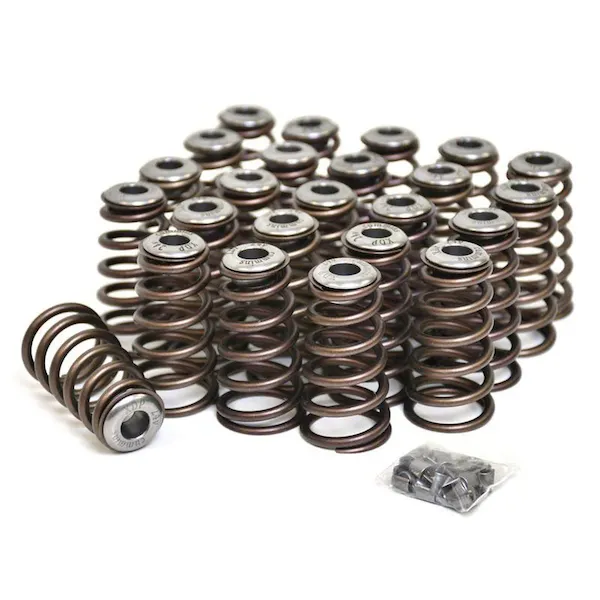
The factory valve springs were never meant to keep up with the high RPMs and boost levels that come with performance mods. When you start pushing your Cummins harder, those stock springs can quickly become a weak link. Upgrading to a set of performance valve springs and retainers helps reinforce your valvetrain, keeping everything in check when you’re chasing bigger horsepower and higher boost. It’s a must-have for any serious build.

Swap out your worn turbocharger with a stock replacement or an upgraded version for a performance boost. Drop-in options like the Fleece Cheetah Turbocharger or the BD Screamer can enhance throttle response and provide additional top-end power for a more exciting drive.
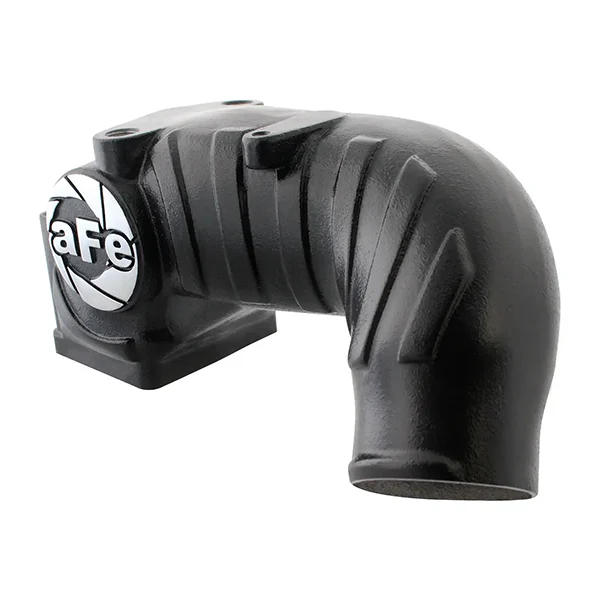
An aftermarket intake manifold helps increase the inlet area and improves air distribution in the cylinder head, leading to enhanced performance.
Get rid of your restrictive stock intake manifold and replace it with an aftermarket Intake Manifold

Many aftermarket intercoolers are built tougher than the factory units they replace—and for good reason. Upgraded trucks demand more from their cooling systems, and a heavy-duty bar-and-plate design is up to the task. These intercoolers are not only more durable, but also better equipped to handle increased boost and airflow, making them a smart upgrade for any performance-focused build.
Production Years: | 1998.5, 1999, 2000, 2001, 2002 | |
Model Availability: | Ram 2500, Ram 3500 | |
Common Names: | 5.9, 5.9L, 24V, 24 Valve, ISB | |
Configuration: | Inline 6 cylinder | |
Displacement: | 359 cubic inches, 5.9 liters | |
Bore: | 4.02″ (102mm) | |
Stroke: | 4.72″ (120mm) | |
Cylinder Head: | Cast Iron | |
Engine Block: | Cast Iron w/ 6 Head Bolts Per Cylinder | |
Firing Order: | 1-5-3-6-2-4 | |
Compression Ratio: | 16.3:1, 17.0 : 1 for High Output Models | |
Crankshaft: | Forged Steel, 7 Main Bearings | |
Pistons: | Cast Aluminum | |
Connecting Rods: | Forged-Steel, I-Beam | |
Intake Manifold: | Cast Aluminum | |
Injectors: | Bosch | |
Injection: | Direct Injection (DI), Mechanical Injection Pump, Mechanical Fuel Injectors | |
Fuel Pump: | Bosch VP44 Injection Pump | |
Aspiration: | 1998.5-2002 | Holset HX35W Turbocharger, Air-To-Air Intercooler |
2001-2002 (Automatics) | Holset HY35W Turbocharger, Air-To-Air Intercooler | |
Valvetrain: | OHV, 4 Valves Per Cylinder, Solid Lifter Camshaft | |
Valve Lash (Clearance): | Exhaust Valve: | 0.020″ (Engine Cold) |
Intake Valve: | 0.010″ (Engine Cold) | |
Weight: | Approx. 1,150 lbs (Dry) | |
Oil Capacity: | 12 qts w/ Filter (11.4L) | |
Governed Speed: | 3,200 rpm | |
Horsepower: | 1998.5-2000 | 215 hp @ 2,700 rpm (Auto Trans) 235 hp @ 2,700 rpm (Manual Trans) |
2001-2002 | 235 hp @ 2,700 rpm (Auto trans) 245 hp @ 2,700 rpm (H.O.) (Manual trans) | |
Torque: | 1998.5-2000 | 420 lb-ft @ 1,600 rpm (Auto Trans) 460 lb-ft @ 1,600 rpm (Manual Trans) |
2001-2002 | 460 lb-ft @ 1,400 rpm (Auto Trans) 505 lb-ft @ 1,600 rpm (H.O.) (Manual Trans) | |
Battery: | ||
Transmissions: | 1998.5-2002 | NV4500 5-Speed Manual |
1999-2002 | NV5600 6-Speed Manual (1.25″ Input Shaft) | |
1998.5-2002 | 47RE 4-Speed Automatic | |
2001-2002 (H.O.) | NV5600 6-Speed Manual (1.375″ Input Shaft) |
Engine Oil: | 15W-40 | Ambient Temperature > 10° F | 12.0 Qts Capacity w/ Oil Filter (11.35L) |
| 10W-30 | Ambient Temperature 0 – 30° F w/o Block Heater, < 0° F | 12.0 Qts Capacity w/ Oil Filter (11.35L) |
| 5W-30 | Ambient Temperature < 0° F w/ Block Heater | 12.0 Qts Capacity w/ Oil Filter (11.35L) |
Engine Coolant: | 50/50 Mixture – Mopar 5 year/100,000 mile, Distilled Water | Approx. 6 Gallon Capacity |
|
Automatic Transmission Fluid: | 47RE 4-Speed | ATF+4 | 4.0 qts Service Refill Capacity 14.5 – 16.5 qts Dry Fill Capacity |
Manual Transmission Fluid: | NV4500 5-Speed | SAE 75W-90 | 4.0 qts (8 pts) |
NV5600 6-Speed (H.O.) | Mopar Manual Transmission Fluid | 4.75 qts (9 pts) | |
Transfer Case Fluid: | NV241 | ATF+4 | 2.4 qts |
NV241HD | ATF+4 | 3.25 qts | |
Front Differential Fluid: | Dana 60 | SAE 75W-140 | 3.15 qts |
9.25″ AAM | SAE 75W-90 GL-5 | 2.45 qts | |
Rear Differential Fluid: | Dana 70 2WD | SAE 75W-140 | 3.5 qts |
| Dana 70 4WD | SAE 75W-140 | 3.9 qts |
| Dana 80 2WD | SAE 75W-140 | 3.2 qts |
| Dana 80 4WD | SAE 75W-140 | 4.8 qts |
10.5″ AAM | SAE 75W-90 or 75W-140* GL-5 | 2.65 qts | |
11.5″ AAM | SAE 75W-90 or 75W-140* GL-5 | 3.8 qts |
| Service Procedure | Interval |
| Replace Engine Oil & Filter: | 6,000 miles/6 months under normal driving conditions 3,000 miles/3 months under severe driving conditions |
| Replace Fuel Filter: | 12,000 miles/12 months under normal driving conditions 6,000 miles/6 months under severe driving conditions |
| Replace Air Filter: | 24,000 miles/24 months |
| Engine Cooling System: | 52,500 miles/36 months and then every 24,000 miles/24 months |
| Check/Adjust Valve Lash: | 24,000 miles/24 months |
| Replace Automatic Transmission Fluid & Filter: | 30,000 miles |
| Adjust Automatic Transmission Bands: | 24,000 miles/24 months |
| Replace Manual Transmission Fluid: | 60,000 miles |
| Replace Transfer Case Fluid: | 120,000 miles |
All other logos and trademarks are the property of their respective owners
© Copyright Rainer Diesel Performance - All Rights Reserved 2026