

No products in the cart.
All other logos and trademarks are the property of their respective owners
© Copyright Rainer Diesel Performance - All Rights Reserved 2026
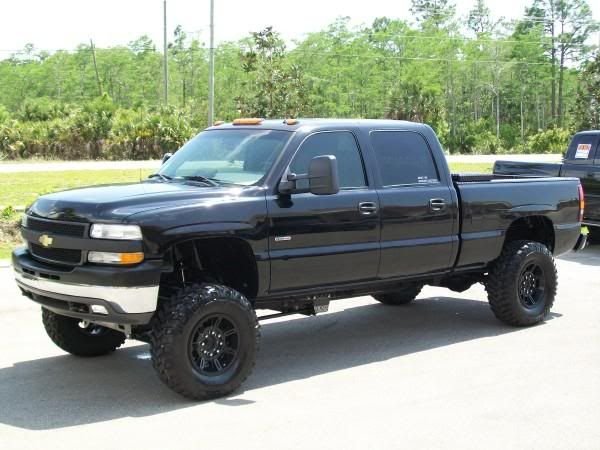
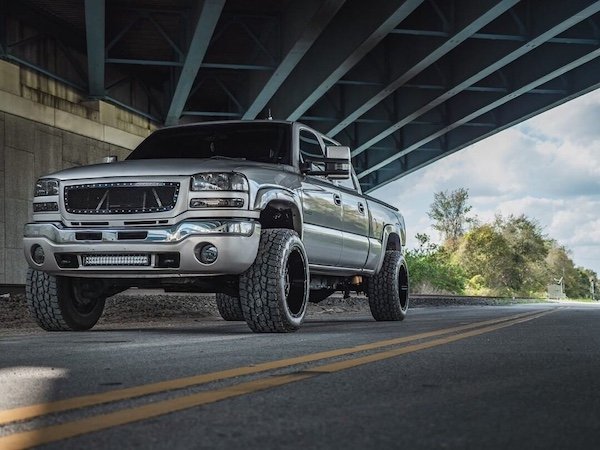
In the world of heavy-duty trucks, GM made a significant mark with the introduction of the Duramax diesel engine, specifically the LB7 model, twelve years after Dodge shook up the landscape. This diesel powerhouse replaced the outdated Detroit Diesel 6.5L and showcased cutting-edge technology, setting GM as a formidable contender in the diesel market.
Collaborative Innovation: GM and Isuzu’s Partnership
The roots of the LB7 Duramax can be traced back to 1997 when General Motors and Isuzu Motors joined forces to create DMAX Ltd. Three years later, the LB7 Duramax rolled off the production line as a state-of-the-art 6.6L V8 with four valves per cylinder. Boasting 300 hp and 520 lb-ft of torque, it was a revolutionary engine featuring a turbocharger, intercooler, and direct-injection. Notably, the LB7 was ahead of its time with the use of common rail technology, a notable achievement two years before Dodge and seven years before Ford.
A true standout in the LB7 Duramax package was the introduction of the Allison 1000, the first automatic transmission worthy of a diesel powerhouse. Buyers had the option of a ZF 6-speed manual, but the Allison automatic became the preferred choice. This transmission played a pivotal role in enhancing the overall driving experience.
The GMT800 HD showcased notable advancements in its design. Employing a leaf spring suspension in the rear and a torsion bar independent suspension upfront, it achieved a delicate balance between ruggedness and a more refined, car-like ride. Notably, the 2500HD and 3500HD variants featured a robust AAM 11.5″ rear axle and a GM 9.25″ IFS at the front.
A noteworthy innovation was the introduction of a three-section frame system, allowing customization based on cab and bed types. The front section utilized hydroforming, while the middle and rear sections employed roll-forming or stamping, depending on the application. This design flexibility resulted in the creation of four front sections, seven midsections, and four rear sections, enabling the realization of nearly 40 distinct truck configurations.
The Silverado 2500HD/3500HD underwent aesthetic enhancements, featuring a taller grille and domed hood for a more assertive appearance. Fender flares were strategically incorporated to elevate the vehicle’s side profile. The 2500HD models were available in various configurations, including Regular Cab Long Bed, Extended Cab Long Bed, Extended Cab Short Bed, Crew Cab Long Bed, and Crew Cab Short Bed. In contrast, the 3500HD models were exclusively offered in Long Bed variants (Regular, Extended, or Crew Cab), with the Dually option reserved solely for the 3500HD model.
Despite its groundbreaking features, the LB7 Duramax encountered challenges, particularly with fuel injectors. Frequent failures prompted GM to issue a recall, replacing the original units with an updated design. The factory warranty was extended to cover the new injectors for 7 years or 200,000 miles.
The 2500HD/3500HD models rolled out with a standard Vortec 6.0L gas engine, giving you some power right off the bat. But hey, they threw in two optional engines for those who want a bit more oomph – the 8.1L big block and the 6.6L Duramax LB7. Now, if you’re looking to flex on towing and grab the premium choice, the Duramax is your go-to. It not only takes the crown for towing but also promises the best fuel economy among the three.
Now, let’s talk about the inevitable enemy of older pickups – rust. If your truck danced with snow in its past life, give the frame a good look for any signs of rust or rot. Bedsides, rocker panels, and bed cross members/floor supports are also spots where rust likes to party. Oh, and don’t forget to check those brake and fuel lines – they can get a bit rusty too, and leaks can turn into safety hazards.
On the lighter side, there are some minor hiccups that are a breeze to fix. Take the tie rod ends, for example. The stock ones can be a bit delicate, especially in extreme conditions where they might bend or break. No worries, though – you can upgrade to sturdier tie rod ends or throw on some sleeves to reinforce the factory ones.
Last but not least, let’s chat about the harmonic balancer. There’s this little dowel pin that keeps it in check on the crankshaft, but sometimes it decides to bail. If that happens, the balancer starts spinning on the snout and could do a number on your engine. For some peace of mind, snag yourself a crankshaft pin kit – it’s like cheap insurance to lock that balancer in place. No more unexpected spins, just smooth cruising
Pros:
Cons:
With proper maintenance and necessary upgrades, the 2001-2004 Silverado/Sierra 2500HD/3500HD trucks can be dependable. The LB7 Duramax, despite its initial challenges, remains an attractive option for those seeking a heavy-duty diesel truck at a relatively affordable price.
While the LB7 Duramax was a powerhouse in its time, advancements in technology call for aftermarket upgrades to keep up. With a responsive nature to modifications, the LB7 can bridge the performance gap considerably. Whether aiming for enhanced power for towing or maintaining overall truck performance, these popular LB7 upgrades are worth considering.
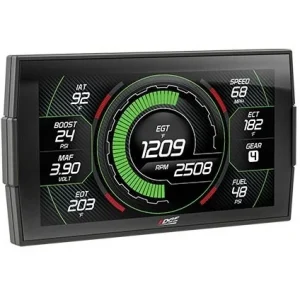
Elevate your truck’s performance with an additional 100 horsepower and 210 lb-ft of torque in a matter of minutes – all without breaking a sweat. It’s clear why programmers are highly favored for diesel trucks.
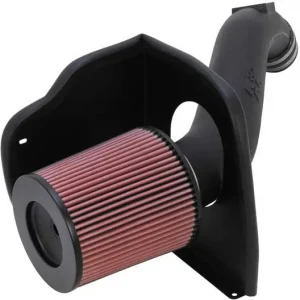
Let’s get more airflow and more power for your ride! Air intakes are a go-to upgrade, and the best part? They’re a breeze to install. Boosting your vehicle’s performance has never been so easy!
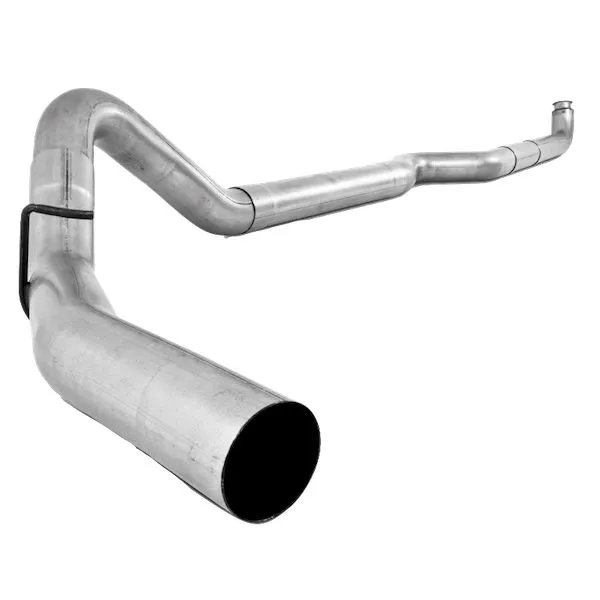
Upgrade your exhaust system, and you’ll not only boost horsepower and torque but also keep those exhaust gas temperatures (EGT’s) in check. It’s a win-win for your ride!
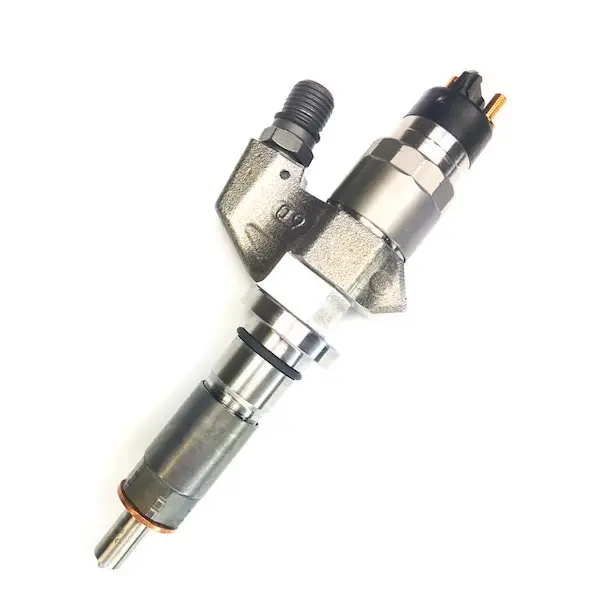
When it comes to the LB7, fuel injector hiccups are pretty common. But no worries! There’s a bunch of new and remanufactured fuel injectors out there to sort out any problems you might be facing. Easy peasy!

The LB7 Duramax skips the lift pump and relies solely on the CP3 pump to pull fuel from the tank. The catch? It puts extra strain on the CP3 pump and doesn’t quite keep up with the fuel needs of a souped-up engine.
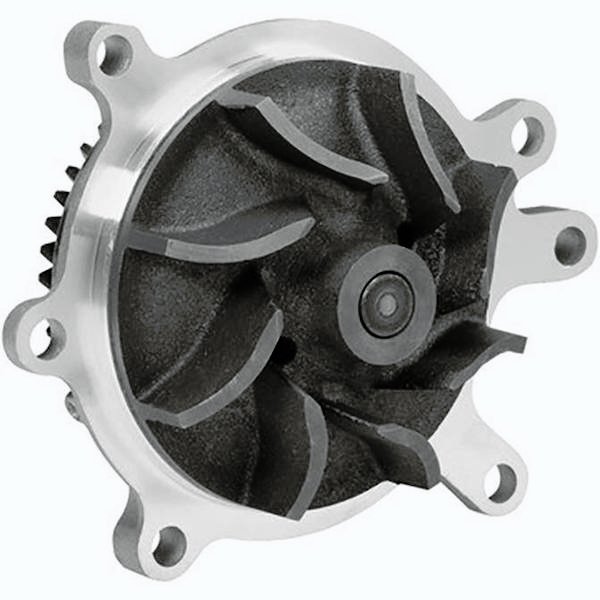
The water pump on the LB7 has a bit of a rep for being a troublemaker. If you’re dealing with leaks or it decides to call it quits, no worries! There’s a bunch of water pumps to choose from to get things sorted. Easy fix!

Watch out for the factory dowel pin – it’s got a rep for shearing easily, making the balancer spin on the crankshaft snout. Don’t risk engine trouble! Pin your crankshaft to keep that balancer right where it should be. Safety first!
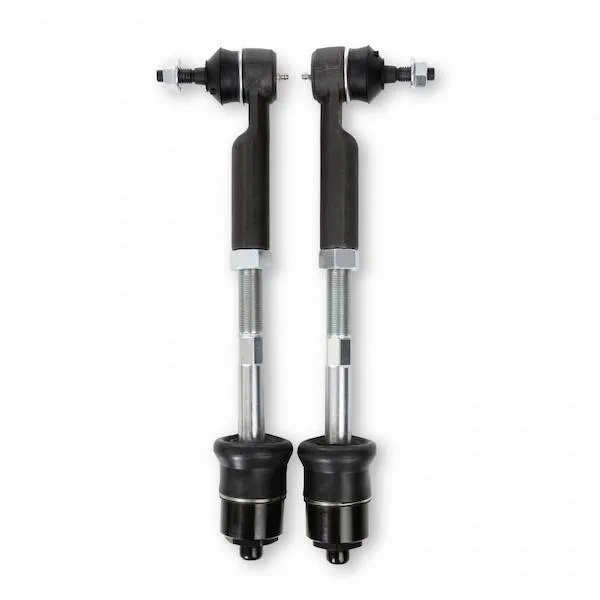
The stock tie rod ends are a bit on the smaller side and have a knack for bending or breaking. Don’t wait until they leave you stranded – go ahead and upgrade those tie rods. Better safe than sorry!

Say goodbye to that factory “dented” or “kinked” driver’s side exhaust manifold. Opt for a high-flow exhaust manifold to give your exhaust flow a serious upgrade. Your truck will thank you!

Given these trucks are over the 20-year mark, chances are the radiator might need a swap sooner or later (unless it already has). Keep an eye on it!
Production Years: | 2001, 2002, 2003, 2004 | |
Model Availability: | Chevrolet Silverado 2500HD, 3500HD GMC Sierra 2500HD, 3500HD | |
VIN Code: | 1 (8th digit of VIN) | |
Common Names: | LB7, Duramax | |
Configuration: | V8 | |
Displacement: | 403 cubic inches, 6.6 liters | |
Bore: | 4.055″ (103 mm) | |
Stroke: | 3.897″ (99 mm) | |
Cylinder Heads: | Aluminum | |
Engine Block: | Cast Iron | |
Firing Order: | 1-2-7-8-4-5-6-3 | |
Compression Ratio: | 17.5 : 1 | |
Pistons: | Cast Aluminum | |
Connecting Rods: | Forged Steel w/ Cracked Cap Design | |
Aspiration: | Turbocharged & Intercooled | |
Injection: | High Pressure Common Rail Direct Injection | |
Fuel Pump: | Bosch CP3 Injection Pump | |
Turbocharger: | IHI RHG6 Turbocharger (Fixed Geometry) | |
Valvetrain: | OHV, 4 Valves Per Cylinder | |
Idle Speed: | 680 rpm | |
Max Engine Speed: | 3,250 (rev limiter) | |
Weight: | Approx. 835 lbs (Dry) | |
Oil Capacity: | 10 qts w/ Filter (9.46L) | |
Horsepower: | 2001-2004 | 300 hp @ 3,100 rpm |
Torque: | 2001-2004 | 520 lb-ft @ 1,800 rpm |
Battery: | Group Size 78 | |
Transmissions: | ZF S6-650 (6-Speed Manual) | |
Allison 1000 (5-Speed Automatic) |
Engine Oil: | 15W-40 | Preferred viscosity, ambient temp > 0° F | 10.0 qts Capacity w/ Oil Filter (9.46L) |
5W-40 | Preferred viscosity, ambient temp < 0° F, acceptable in all temps | 10.0 qts Capacity w/ Oil Filter (9.46L) | |
Engine Coolant: | 50/50 Dex-Cool Engine Coolant, Distilled Water | 22.0 – 31.4 quarts (5.5 – 7.85 gallons) Refer to owner’s manual for application specific coolant capacity | |
Automatic Transmission Fluid: | Allison 1000 (5-Speed) | Dexron III Automatic Trans Fluid | 7.4 qts service refill 12.7 qts total capacity |
Manual Transmission Fluid: | ZF S6-650 (6-Speed) | GM TranSynd Full Synthetic | 5.8 qts |
Transfer Case Fluid: | Manual Shift | Dexron III Automatic Trans Fluid | 2.0 qts |
Automatic Shift | AUTO-TRAK II | 2.0 qts | |
Front Differential Fluid: | 9.25″ IFS (14 Bolt) | SAE 80W-90 | 1.8 qts |
Rear Differential Fluid: | AAM 11.5″ (14 Bolt) | SAE 75W-90 | 3.2 – 4.3 qts (Varies by Model Year) |
Service Procedure | Interval |
Replace Engine Oil & Filter: | 10,000 miles or when “change engine oil” message is displayed by the oil life monitoring system |
Replace Fuel Filter: | 15,000 miles |
Replace Air Filter: | Check filter condition every oil change and replace as necessary; replace at 45,000 miles regardless |
Flush Engine Cooling System: | 150,000 miles |
Replace Automatic Transmission Fluid & Filter: | 50,000 miles (normal conditions) 25,000 miles (severe duty conditions) |
Replace Manual Transmission Fluid: | GM originally advised that the ZF S6-650 6 speed manual transmission does not require service. Consider replacing the fluid at 60,000 mile intervals, especially if usage meets any of the severe duty conditions. |
Replace Transfer Case Fluid: | 50,000 miles |
All other logos and trademarks are the property of their respective owners
© Copyright Rainer Diesel Performance - All Rights Reserved 2026