

No products in the cart.
All other logos and trademarks are the property of their respective owners
© Copyright Rainer Diesel Performance - All Rights Reserved 2026
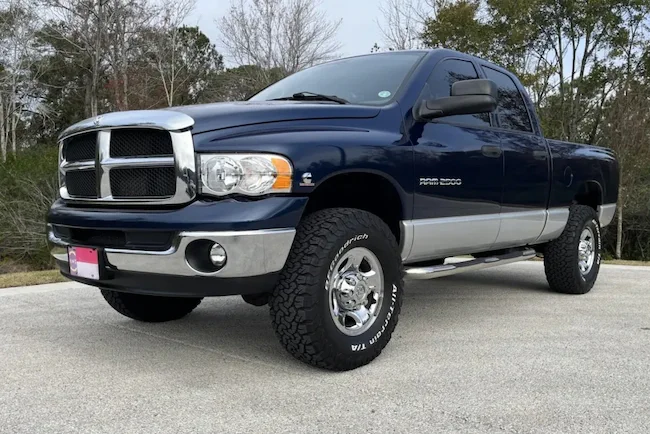
In 2003, Dodge rolled out the third generation of Cummins-powered diesel trucks, giving the Ram 2500 and 3500 a serious upgrade! These tough trucks got a revamped drivetrain, a cutting-edge common-rail fuel injection system, and a fresh new look inside and out. While Dodge kept the bold, semi-truck-inspired styling that made the Ram stand out, they tweaked the grille and headlights for a sharper, more modern appearance. Inside, the cabin saw a complete overhaul, featuring a brand-new dashboard and a range of interior enhancements. As the competition between truck manufacturers heated up, Dodge also made some big improvements to the legendary 5.9L Cummins diesel engine, ensuring it remained a powerhouse on the road.
The 24-valve 5.9L Cummins got a serious upgrade when it ditched the VP44 injection pump in favor of an electronically controlled common-rail fuel system. This wasn’t just an improvement—it was a total game-changer! With precise fuel control, improved reliability, and a big boost in horsepower and torque, this upgrade took the Cummins legend to the next level.
So, how does it work? First, a lift pump sends fuel to the Bosch CP3 injection pump, where it gets pressurized like a rocket ready for liftoff. That high-pressure fuel is then delivered to the common rail, which feeds it to the electronic injectors with pinpoint accuracy. These Bosch solenoid-activated injectors fire off two precise injections per stroke, using 8-hole nozzles that spray fuel at a 143-degree angle—ensuring maximum efficiency and power.
Of course, more power means the engine needed to be stronger too! Cummins reinforced the engine block with tougher gray iron, added beefier rails, and included a stiffener plate to handle all that extra muscle. Meanwhile, the cast-aluminum pistons and forged-steel connecting rods stuck around—because when something is already bulletproof, why change it?
The Bosch CP3 Fuel Pump is a radial-piston powerhouse made up of three cam-driven plungers, a high-pressure and low-pressure circuit, a hardened-steel housing, and a fuel pressure regulator, sometimes called the Fuel Control Actuator (FCA) or Magnetic Proportional Valve (MPROP). Its main job? Creating high-pressure fuel for the injectors to keep everything running smoothly.
Unlike its predecessor, the CP3 didn’t handle injection timing or fuel volume—those tasks were left to other components. While it was still powered by the front gear train (keeping a 1:1 ratio with the crankshaft), the CP3 wasn’t directly synced with either the crankshaft or the camshaft. This marked a significant departure from the VP44 fuel pump used in the 1998.5-2002 engines, which took on the additional roles of controlling injection timing, pressurizing the fuel, and monitoring fuel flow.
In 2003, the Standard Output (S.O.) 5.9L Cummins diesel cranked out a solid 235 horsepower and 460 lb-ft of torque. But hold onto your hats—the 5.9 High Output (H.O.) Cummins broke the 300 hp mark for the first time, jumping up to 305 hp and a hefty 555 lb-ft of torque! Fast forward to 2004, and the 235 hp engine became exclusive to California models, while the S.O. engines across the board now matched the 2003 H.O. engine’s impressive power levels. Talk about a power shift!
For the standard output engines, you had the choice of the durable NV4500 5-speed manual transmission or an optional 47RE/48RE 4-speed automatic with overdrive. But for the high-output engine, things got a little more exciting! The NV5600 6-speed manual replaced the 5-speed, giving you extra gears for an even better driving experience. And if manual shifting wasn’t your thing, the 48RE automatic was available for a smoother ride.
One of the standout upgrades was the new hydroformed frame with boxed sections. This design made the frame more rigid, which not only improved the truck’s overall strength but also made steering and handling smoother than ever. Thanks to this beefed-up frame, the heavy-duty Ram pickups proudly claimed a class-leading Gross Vehicle Weight Rating (GVWR) of 12,000 pounds—talk about strength!
And when it came to stopping power, these trucks didn’t hold back. With standard four-wheel disc anti-lock brakes and the largest rotors in the segment (a huge 13.9 inches front and rear!), the Ram’s braking performance was a massive upgrade over the 2002 model. To make room for those monstrous rotors, the trucks were fitted with larger 17-inch wheels, but all that extra size gave a serious boost to braking efficiency.
To top it off, the driveline got a big upgrade with new front and rear differentials from American Axle & Manufacturing (AAM). While these were similar to what you’d find in GM trucks, they weren’t exactly interchangeable, thanks to differences in the axle tubes, hubs, and suspension setup. On the transfer case front, Ram trucks came with two options: the trusty manual shift (NV271D) for the ST and SLT 4WD models, and the slick electric shift (NV273D) for the Laramie, bringing some high-tech flair to the mix.
The 5.9 Cummins diesel is legendary for good reason—it’s a powerhouse that earns all the love it gets. But like any engine, it can run into a few issues over time. Before you buy, it’s crucial to give the truck a thorough inspection. Take it for a decent drive to get the engine up to operating temperature and really listen for any strange noises while driving. Pay close attention to how the transmission shifts. If anything feels off, that’s a red flag.
Next, check for crankcase blow-by. With the engine idling, remove the oil cap and check for excessive fumes. If there’s too much pressure, the cap might even get blown off—so do the classic test: place the cap upside down on the oil fill opening. If it stays put, you’re good; if it flies off, you might be looking at a potential engine rebuild, so factor that into your offer.
The common-rail fuel injection system on these trucks can start having issues before hitting 200K miles, so make sure to budget for possible repairs. If the injectors or CP3 pump haven’t been serviced in a while, they might need a little TLC. And don’t forget the lift pump—while it’s decent for a stock truck, it might not always have provided the best lubrication for the CP3.
Finally, keep an eye on the front-end suspension and steering components. These trucks are tough, but parts like tie rods, ball joints, bushings, and the track bar can wear out over time and may need replacing. All these little checks can save you from costly repairs down the road!
Like with any older pickup, rust can be a common issue—especially depending on where you’re located. Be sure to check the rockers, cab corners, bedsides, and wheel well openings for any signs of rust or past rust repairs. It’s also a good idea to look for body filler or fresh paintwork, as body filler applied directly over rust is a quick fix that won’t last long. It’s definitely not the proper way to handle rust, so keep an eye out for that!
Don’t forget the frame! It can also develop varying degrees of rust. Make sure to give it a thorough inspection, especially at the weld points where the frame sections come together, as these are spots where rust can really sneak up on you. A little prep now can save you a big headache down the road!
Pros
Cons
The 5.9 Cummins 24-Valve is known for being straightforward to work on and is generally a very dependable engine. Below, we’ve compiled a list of some of the most popular aftermarket upgrades. Start shopping for your 2003-2004 Dodge Ram 5.9 Cummins at RDP today!
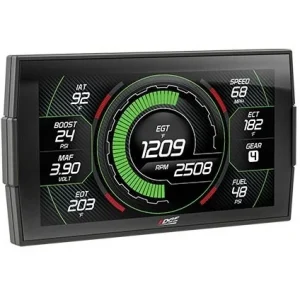
This is a must-have upgrade and usually one of the first mods diesel owners make. With a range of features—some even offering real-time monitoring of your truck’s vitals—it’s an easy and effective way to add extra power to your truck!
Shop Tuners & Programmers
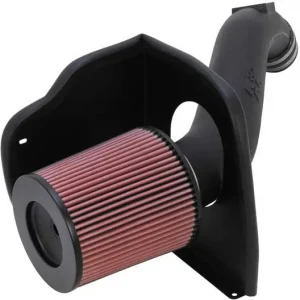
Let’s get more airflow and more power for your truck! Air intakes are a go-to upgrade, and the best part? They’re a breeze to install. Boosting your vehicle’s performance has never been so easy!
Shop our big selection of Air Intake Systems
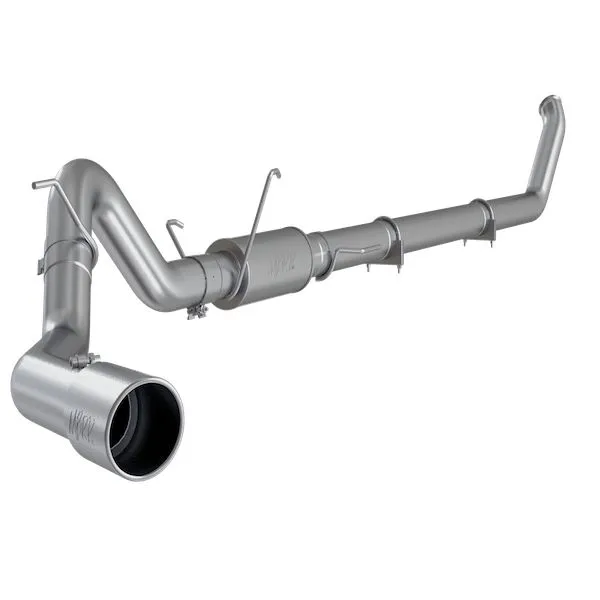
Upgrade your exhaust system, and you’ll not only boost horsepower and torque but also keep those exhaust gas temperatures (EGT’s) in check. It’s a win-win for your ride!
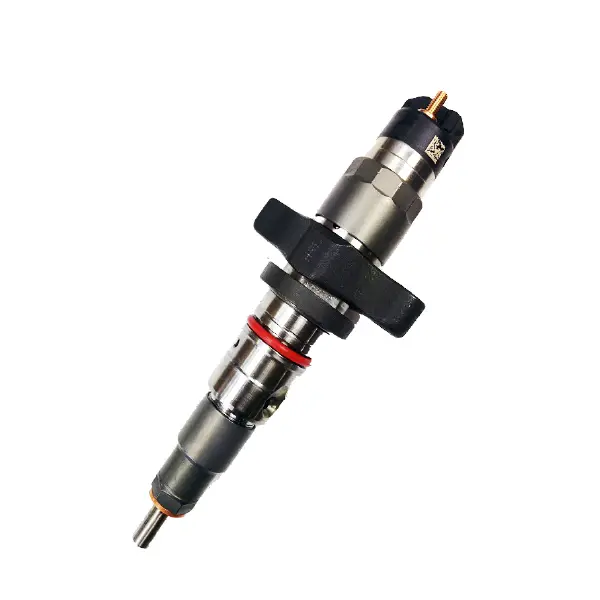
Direct-fit replacement and performance fuel injectors make replacing worn-out injectors simple and efficient, getting your truck back to peak performance in no time.
Check out our stock and performance fuel injectors

Fuel pumps are a common weak spot on these trucks, so it’s smart to upgrade your fuel lift pump since the factory one often struggles to keep up, even at stock levels. Upgrading to something like an AirDog or FASS is a great move—they offer extra volume to ensure your system runs smoothly and efficiently.
Upgrade your fuel system by adding an Lift Pump
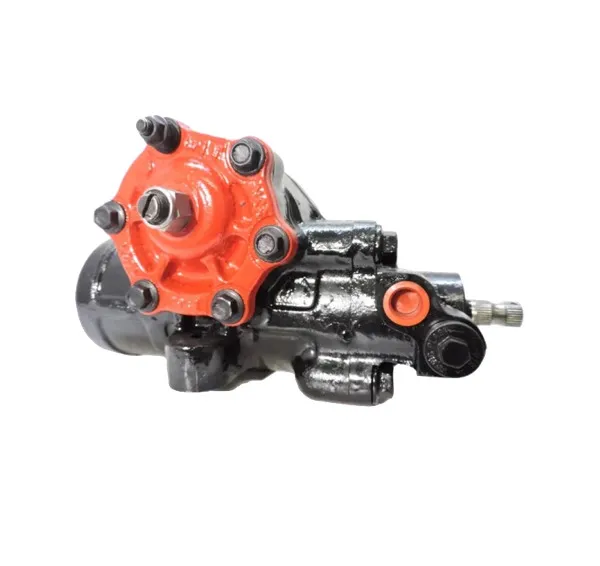
For a truck that’s over 20 years old, if the steering components haven’t been replaced yet, it’s definitely time to consider it. Parts like tie-rod ends, drag links, pitman arms, and steering gear boxes are available separately or in a convenient steering linkage assembly for an easier upgrade.
Check out our selection of steering upgrades

Swap out your worn turbocharger with a stock replacement or an upgraded version for a performance boost. Drop-in options like the Fleece Cheetah Turbocharger or the BD Screamer can enhance throttle response and provide additional top-end power for a more exciting drive.

An aftermarket intake manifold helps increase the inlet area and improves air distribution in the cylinder head, leading to enhanced performance.
Get rid of your restrictive stock intake manifold and replace it with an aftermarket Intake Manifold

The stock 48RE transmission wears over time, but upgrading it enhances durability, torque handling, and shifting for improved reliability.
Check out our selection of 48RE automatic transmissions parts and units

For superior holding power, especially in modified trucks with higher horsepower, an upgraded clutch is often a must-have.
Upgraded your manual transmission clutch
| Production Years: | 2003, 2004 | |
| Common Names: | ISB 24V or 24 Valve 3rd Generation, 3rd Gen | |
| Configuration: | Inline 6 cylinder | |
| Displacement: | 359 cubic inches, 5.9 liters | |
| Engine Code: | 6 = 5.9L 6 cyl. Turbo Diesel C = 5.9L 6 cyl. Turbo Diesel (High Output) | |
| Bore: | 4.02″ (102mm) | |
| Stroke: | 4.72″ (120mm) | |
| Cylinder Head: | Cast Iron | |
| Engine Block: | Cast Iron w/ 6 Head Bolts Per Cylinder | |
| Firing Order: | 1-5-3-6-2-4 | |
| Compression Ratio: | 17.2 : 1 | |
| Crankshaft: | Forged Steel, 7 Main Bearings | |
| Pistons: | Cast Aluminum | |
| Connecting Rods: | Forged-Steel, I-Beam | |
| Intake Manifold: | Cast Aluminum | |
| Injectors: | Bosch | |
| Injection: | Direct Injection (DI) | |
| Fuel Pump: | Bosch High-Pressure Common Rail, Bosch CP3 Injection Pump | |
| Turbocharger: | 2003-2004 | Holset HY35W Turbocharger, Air-To-Air Intercooler |
| Valvetrain: | OHV, 4 Valves Per Cylinder, Solid Lifter Camshaft | |
| Valve Lash (Clearance): | Exhaust Valve: | 0.020″ (Engine Cold) |
| Intake Valve: | 0.010″ (Engine Cold) | |
| Weight: | Approx. 1,150 lbs (Dry) | |
| Oil Capacity: | 12 qts w/ Filter (11.4L) | |
| Governed Speed: | 3,200 rpm | |
| Horsepower: | 2003 | 235 hp @ 2,700 RPM (Std) 305 hp @ 2,900 RPM (H.O.) |
| 2004 | 235 hp @ 2,700 RPM (CA) 305 hp @ 2,900 RPM (Std) | |
| Torque: | 2003 | 460 lb-ft @ 1,400 RPM (Std) 555 lb-ft @ 1,400 RPM (H.O.) |
| 2004 | 460 lb-ft @ 1,400 RPM (CA) 555 lb-ft @ 1,400 RPM (Std) | |
| Battery: | Group Size 27 | |
| Transmissions: | 2003-2004 (S.O.) | NV4500 5-Speed Manual |
| 2003 | 47RE 4-Speed Automatic | |
| 2003 (H.O.) & 2004 (S.O. & H.O.) | 48RE 4-Speed Automatic | |
| 2003-2004 (H.O.) | NV5600 6-Speed Manual |
| Engine Oil: | 15W-40 | Ambient Temperature > 10° F | 12.0 Qts Capacity w/ Oil Filter (11.35L) |
| 10W-30 | Ambient Temperature 0 – 30° F w/o Block Heater, < 0° F | 12.0 Qts Capacity w/ Oil Filter (11.35L) | |
| 5W-30 | Ambient Temperature < 0° F w/ Block Heater | 12.0 Qts Capacity w/ Oil Filter (11.35L) | |
| Engine Coolant: | 50/50 Mixture – Mopar 5 year/100,000 mile, Distilled Water | Approx. 7 Gallon Capacity | |
| Automatic Transmission Fluid: | 48RE 4-Speed | ATF+4 | 4.0 qts Service Refill Capacity 14.5 – 16.5 qts Dry Fill Capacity |
| Manual Transmission Fluid: | NV4500 5-Speed | SAE 75W-90 | 4.0 qts (8 pts) |
| NV5600 6-Speed (H.O.) | Mopar Manual Transmission Fluid | 4.75 qts (9 pts) | |
| Transfer Case Fluid: | NP271 | ATF+4 | 2 qts |
| NP273 | ATF+4 | 2 qts | |
| Front Differential Fluid: | 9.25″ AAM | SAE 75W-90 GL-5 | 2.45 qts |
| Rear Differential Fluid: | 10.5″ AAM | SAE 75W-90 or 75W-140* GL-5 | 2.65 qts |
| 11.5″ AAM | SAE 75W-90 or 75W-140* GL-5 | 3.8 qts | |
| Brake Fluid: | DOT 3 and SAE J1703 should be used. If DOT 3 brake fluid is not available, then DOT 4 is acceptable. | ||
| Power Steering: | Mopar ATF+4, Automatic Transmission Fluid |
| Replace Engine Oil & Filter: | 6,000 miles/6 months (under normal driving conditions) 3,000 miles/3 months (under severe driving conditions) |
| Replace Fuel Filter: | 12,000 miles/12 months (under normal driving conditions) 6,000 miles/6 months (under severe driving conditions) |
| Replace Air Filter: | 24,000 miles/24 months |
| Engine Cooling System: | 52,500 miles/36 months and then every 24,000 miles/24 months |
| Check/Adjust Valve Lash: | 24,000 miles/24 months |
| Replace Automatic Transmission Fluid & Filter: | 30,000 miles |
| Adjust Automatic Transmission Bands: | 24,000 miles/24 months |
| Replace Manual Transmission Fluid: | 60,000 miles |
| Replace Transfer Case Fluid: | 60,000 miles/48 months (under normal driving conditions) 30,000 miles/24 months (under severe driving conditions) |
All other logos and trademarks are the property of their respective owners
© Copyright Rainer Diesel Performance - All Rights Reserved 2026