

All other logos and trademarks are the property of their respective owners
© Copyright Rainer Diesel Performance - All Rights Reserved 2026
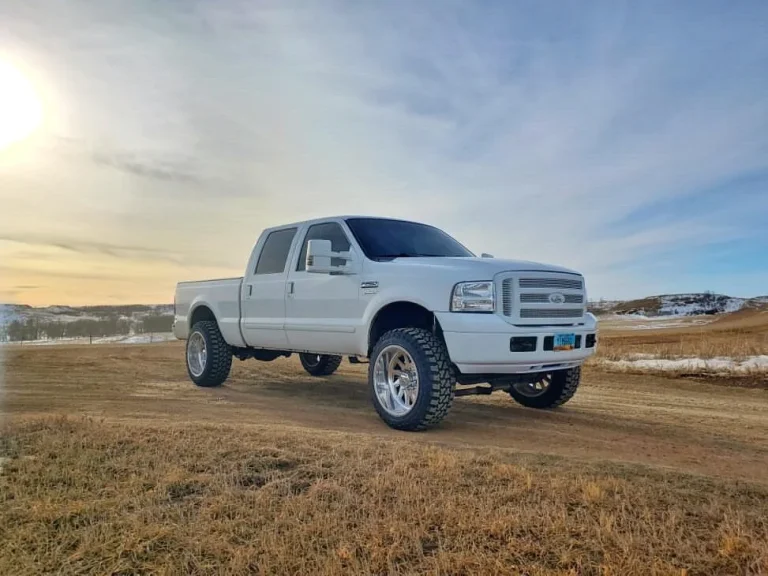
In 2003, Ford unleashed the 6.0L Powerstroke, a diesel engine that was all about power, innovation, and packing some serious punch. Designed to replace the trusty 7.3L engine, the 6.0L came with some exciting upgrades like a variable geometry turbocharger (VGT), a modern fuel injection system, and a more compact design. These features not only made the 6.0L more powerful but also earned it a well-deserved spot on the Ward’s 10 Best Engines list for 2003. But while the engine was a technological marvel, it didn’t exactly win over every diesel fan. The 6.0L quickly became known for being a bit… finicky, leaving some enthusiasts scratching their heads.
But don’t let the mixed reviews fool you! With the right care and a little know-how, the 6.0L Powerstroke can be a beast on the road. So, let’s take a closer look at what makes this engine tick, and how you can make sure it stays running strong and trouble-free for years to come.
Before we dive into the details of the issues and upgrades, let’s first talk about what makes the 6.0L Powerstroke such a popular engine. Sure, it’s had its share of challenges, but it’s still one of the go-to choices for diesel enthusiasts. Here’s a breakdown of what makes the 6.0L Powerstroke a standout:
One of the most exciting features of the 6.0L Powerstroke is its Variable Geometry Turbocharger (VGT). This turbo isn’t your average setup—it’s got adjustable vanes that change based on the engine’s RPMs, which means you get better throttle response and less turbo lag. When you’re at lower RPMs, the vanes close up for quicker acceleration. When you’re revving high, the vanes open to let more exhaust flow, giving you that extra punch of power you need.
The 6.0L Powerstroke took things up a notch with its new common-rail fuel injection system, replacing the older mechanical system found in the 7.3L. This system allows for much more precise control of fuel delivery, which leads to better fuel efficiency, lower emissions, and a smoother ride overall. The 6.0L’s fuel system is part of what makes it a powerhouse engine that also manages to be more efficient than its predecessors.
The 6.0L Powerstroke is built for serious towing, delivering 325 horsepower and up to 570 lb-ft of torque (depending on the model year). Whether you’re hauling a camper, boat, or trailer, it gets the job done with ease. When it debuted in 2003, it was a 50-horsepower upgrade over the 7.3L. While Ford discontinued the 6.0L in Super Duty pickups after 2007, it continued powering E-Series vans until 2010, proving its power and durability well beyond its initial run.
Another major upgrade was the switch to four valves per cylinder in the 6.0L’s new cylinder heads (compared to two in the 7.3L). This change allowed for better airflow, which meant more power. Ford also made improvements to the fuel injectors, replacing the poppet valves with spool valves. These new injectors helped create higher oil pressure, leading to more efficient combustion and better overall engine performance.
In 2005, Ford made a major upgrade to the Super Duty by switching out the old leaf-spring front suspension for a more advanced coil spring system. This change didn’t just make the ride smoother; it also kept the truck ready to handle the heavy lifting, whether you’re towing a trailer or hauling a load.
The new coil spring front suspension gave the Super Duty a more stable, comfortable ride—no more bouncing around while you’re on the road. But just like any suspension system that handles a lot of weight, coil springs can wear out, so keep an eye on the shocks and struts. Before 2005, the Super Duty still used leaf springs for the front suspension, but the 2005-2007 models were the ones that got the coil spring upgrade. To keep things running smoothly, Ford added radius arms and a track bar to make sure the Dana 60 front axle stayed aligned. The rear suspension stayed with leaf springs, paired with a 10.5-inch Sterling rear axle, or bigger axles in the F-350 DRW, F-450, and F-550 models.
When it comes to the rear suspension, the 6.0L Powerstroke trucks still relied on leaf springs, perfect for carrying those heavy loads. Depending on the model, you’ll either find a 10.5-inch or 11.5-inch rear axle. If you’re towing regularly, don’t forget to check for wear, as these parts are under a lot of stress and can take a beating after a while.
The Ford Excursion, a full-size SUV that made its debut in 2000, remained available until 2005. In 2003, Ford offered both the 7.3 and 6.0 diesel engine options, just like in the Super Duty trucks.
The 6.0L Powerstroke engine pairs with two key transmission options: the ZF S6-650 6-speed manual and the 5R110W TorqShift 5-speed automatic. Let’s break them down and see what each one offers:
ZF S6-650 6-Speed Manual Transmission
If you enjoy a more hands-on driving experience and love shifting gears yourself, the ZF S6-650 manual transmission is perfect for you. It’s built tough, capable of handling all the power from the 6.0L engine, and makes driving much more engaging. However, it does require more effort, especially during long drives or when towing heavy loads, so get ready for a bit of work!
5R110W TorqShift 5-Speed Automatic Transmission
Not into shifting gears? The 5R110W TorqShift automatic transmission has you covered. It’s smooth, reliable, and designed for heavy-duty towing, handling big loads without breaking a sweat. If you’re putting your truck to the test with heavy towing or it has higher mileage, though, consider adding some aftermarket upgrades to keep it running at its best.
As Ford ramped up the 6.0L Powerstroke’s power, they needed a transmission lineup that could handle the extra muscle. For those who prefer manual shifting, the ZF S6-650 6-speed was the way to go. Meanwhile, the 5R110W TorqShift automatic replaced the older 4R100. The new 5-speed added an extra gear and was built to handle the increased horsepower and torque of the 6.0L engine with ease.
The 6.0L Powerstroke is a powerhouse, but let’s be real—it’s got a bit of a reputation. If you own one or are thinking about buying one, knowing the common issues can save you a lot of headaches (and money). When it debuted in 2003, the 6.0 was packed with cutting-edge tech, but over time, it became known for a few problem areas. The good news? Aftermarket upgrades have come a long way, and many of these issues can be fixed with stronger, better-designed parts. Love it or hate it, the 6.0L is still a favorite among diesel fans, and with the right care, it can be an absolute workhorse. Here are the key issues:
If you know anything about the 6.0L Powerstroke, you’ve probably heard about its notorious head gasket issues. It’s the Achilles’ heel of an otherwise powerful engine, and while it’s a real problem, it’s not an automatic death sentence for your truck.
So, why do these head gaskets fail? It all comes down to design choices. Unlike the 7.3L Powerstroke, which had 18 head bolts per bank, the 6.0L makes do with just 10 per side. That means less clamping force to keep the heads sealed under pressure. To make matters worse, Ford used 14mm Torque-To-Yield (TTY) head bolts, which stretch over time—leading to blown head gaskets, coolant leaks, and a bad day for your wallet.
Now, before you swear off the 6.0L forever, not every truck suffers from this issue. Plenty of 6.0L engines have hit 100K+ miles with zero head gasket failures. But if you want to be proactive (or plan on cranking up the power), the best fix is upgrading to head studs. Unlike the factory bolts, head studs provide way better clamping force, preventing gasket failure even under high boost or towing conditions. While you’re at it, getting the cylinder heads checked at a machine shop is a smart move before reinstallation.
The EGR cooler can be a bit of a troublemaker, and like many parts, it might eventually need a replacement. A common issue is when the oil cooler fails, which prevents coolant from reaching the EGR cooler and can lead to some serious damage. If the EGR cooler cracks, you’ll likely spot white smoke at idle when the EGR valve opens. That’s because coolant is sneaking into the intake manifold and being burned by the engine. In the 2003-2004 6.0L models, Ford initially used a round EGR cooler (up until September 22, 2003), but switched to a square design in 2004.
The High-Pressure Oil Pump (HPOP) in the 6.0L Powerstroke has been known to cause some trouble, particularly in the earlier model years. As time goes on, the O-rings and seals can wear out, leading to oil leaks and some pesky driveability issues. Thankfully, you can check if it’s still operating smoothly with a scan tool or digital monitor.
At wide-open throttle (WOT), you should be seeing oil pressure between 3,000 and 4,000 psi. At idle, the pressure usually hangs around 600-700 psi, which is totally normal. But here’s the catch: you need at least 500 psi to fire the injectors. If the pressure drops below that, you’re looking at an engine that could stall or even fail to start.
So, keep an eye on that oil pressure to avoid any hiccups on the road!
To check if your oil cooler is still in top shape, you can run a test using some electronic diagnostic equipment or a digital monitor like the Edge CTS2/CTS3. The trick is to keep an eye on the delta temperature between the Engine Oil Temperature (EOT) and Engine Coolant Temperature (ECT). This will give you a good idea of how well your oil cooler is performing.
With a stock oil cooler, you typically don’t want to see more than a 14° difference. So, if your coolant temp is 196°, your oil temp should stay below 210°. If the difference is more than 15°, that’s a red flag, and it might be time to replace the oil cooler. Just be sure to do this test while driving at wide-open throttle (WOT) or under high load to get maximum boost, and make sure the ECT stays above 190° for accurate results.
The 6.0L Powerstroke uses a Hydraulic Electronic Unit Injector (HEUI) system, which relies on high-pressure engine oil to fire up the injectors—and it even helps pump oil through the turbocharger. While this works wonders for performance, it also means the oil gets pretty hot. To keep things cool, Ford installed an oil cooler inside the engine valley, where both oil and coolant circulate. The coolant helps bring down the temperature of the oil and keeps things running smoothly.
However, over time, these oil coolers can get clogged or even fail. One possible culprit is residual sand left in the engine block after the casting process, which can work its way into the cooler and cause blockages. If the oil cooler isn’t getting enough coolant—or any at all—the oil will overheat and cause a chain reaction of problems. This can lead to a ruptured EGR cooler, overheated fuel injectors, and a whole lot of expensive damage.
If you notice oil in the coolant or coolant in the oil, it could be a sign the oil cooler is on its way out. To help avoid this, make sure to stick to Ford’s recommended maintenance schedule for oil and coolant changes. For added peace of mind, installing a coolant filtration system is a great way to remove contaminants and help the oil cooler last longer.
The ICP sensor (Injection Control Pressure) and IPR (Injection Pressure Regulator) are two important components in the 6.0L Powerstroke’s HEUI injection system, but they’re also known troublemakers. When they fail, it can lead to all sorts of headaches like poor idling, stalling, surging, or even worse—a non-starting engine. The issue? These sensors aren’t always the easiest to get to, especially the ICP sensor in earlier models.
In 2003 and early 2004 models, the ICP sensor was located behind the turbocharger, tucked beneath the turbo up-pipe collector, making access tricky. But by 2004, Ford moved the sensor to the passenger side valve cover, giving you much easier access. If you unplug the ICP and see oil soaking the electrical terminals, that’s a clear sign the sensor has failed. In this case, you’ll likely want to swap out the ICP sensor wiring pigtails as well, as oil contamination can mess with the connector.
The Fuel Injection Control Module (FICM) is mounted right on the driver-side valve cover, where it’s exposed to a lot of heat and vibration. Because of this, FICM failure is a pretty common problem in the 6.0L Powerstroke. If your FICM is putting out less than 48 volts, it’s probably time to replace it. Luckily, you can check the voltage easily using electronic diagnostic equipment to see if it’s up to snuff.
The 6.0L Powerstroke is the diesel world’s ultimate gamble—but it’s one that can pay off big. It’s powerful, mod-friendly, and relatively affordable on the used market. Just make sure you walk in with open eyes, a solid game plan, and ideally, a good diesel tech on speed dial.
With the right care and a few strategic upgrades, the 6.0L can go from unreliable to unstoppable.
When shopping for a truck with a 6.0L Powerstroke, the service history and repair receipts are more than just paperwork—they’re your crystal ball. These records can give you insight into what’s been done and what might still be lurking on the to-do list.
Next up: do your homework. Getting familiar with the ins and outs of the 6.0L engine and knowing how to run a few basic diagnostic tests can save you from unexpected headaches (and expenses) down the road.
And don’t forget to give the body a good once-over. Like many trucks, rust can be a sneaky culprit—especially around the pickup bed, rocker panels, and the bottoms of the doors. A quick inspection now can save you a world of trouble later!
| Pros | Cons |
|---|---|
| Impressive stock performance | Common mechanical failures |
| Great mod potential | Expensive repairs if neglected |
| Better ride (2005+ suspension) | Needs “bulletproofing” to be reliable |
| Affordable used market | Hit-or-miss maintenance histories |
Looking to boost both reliability and performance on your 6.0L Powerstroke? You’re in good company. Here’s a list of popular upgrades that not only add power but also tackle some of the well-known factory shortcomings. Whether you’re aiming for peace of mind or a little extra punch under the pedal, these mods are a smart place to start.
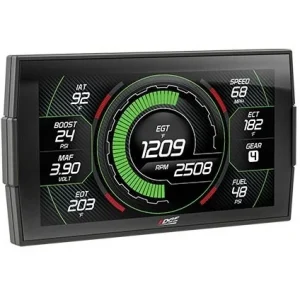
This is a must-have upgrade and usually one of the first mods diesel owners make. With a range of features—some even offering real-time monitoring of your truck’s vitals—it’s an easy and effective way to add extra power to your truck!
Shop Tuners & Programmers
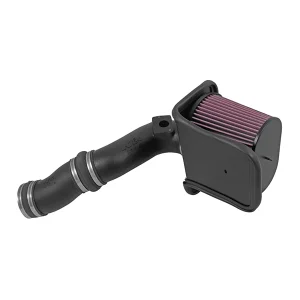
Let’s get more airflow and more power for your truck! Air intakes are a go-to upgrade, and the best part? They’re a breeze to install. Boosting your vehicle’s performance has never been so easy!
Shop our big selection of Air Intake Systems
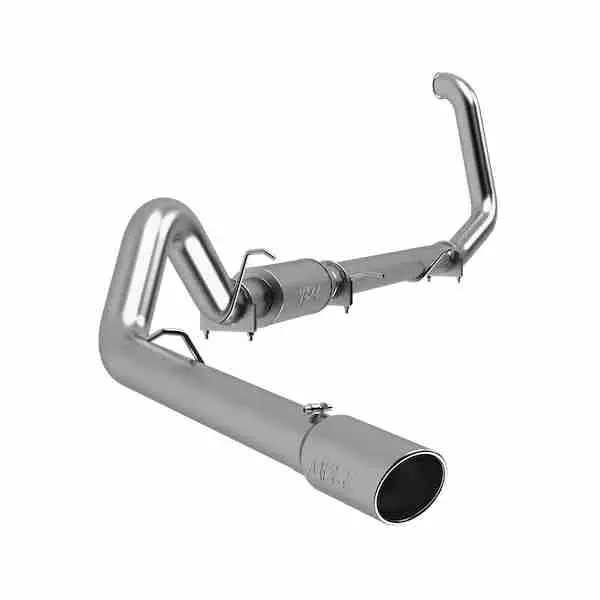
Upgrade your exhaust system, and you’ll not only boost horsepower and torque but also keep those exhaust gas temperatures (EGT’s) in check. It’s a win-win for your ride!
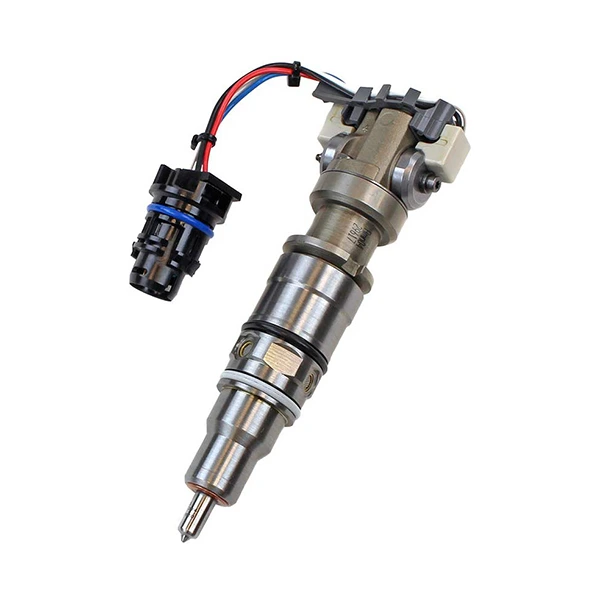
Direct-fit replacement and performance fuel injectors make replacing worn-out injectors simple and efficient, getting your truck back to peak performance in no time.
Check out our stock and performance fuel injectors
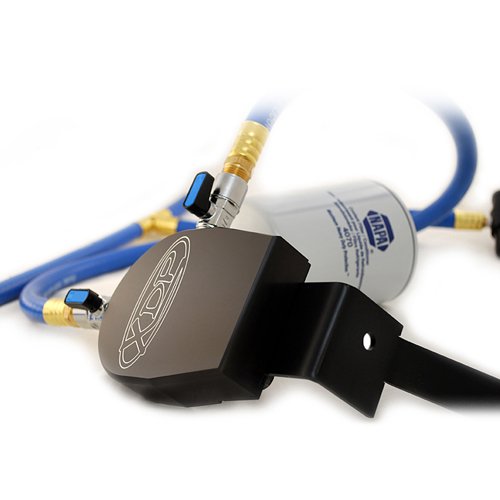
Contaminants like casting sand and sediment lurking in your cooling system can spell trouble over time. That’s where a Coolant Filtration System comes in. It helps filter out the gunk, keeping your coolant clean and protecting key components like the water pump, EGR cooler, and more. The result? Longer life for your engine’s vital parts and fewer headaches down the road.

If you’re tackling a head gasket replacement on your 6.0L—or planning to crank up the horsepower and torque—a Head Stud Kit is a must-have upgrade. It provides the clamping force needed to keep things sealed under pressure, helping to prevent future failures and giving your engine the strength it needs to handle the extra power with confidence.
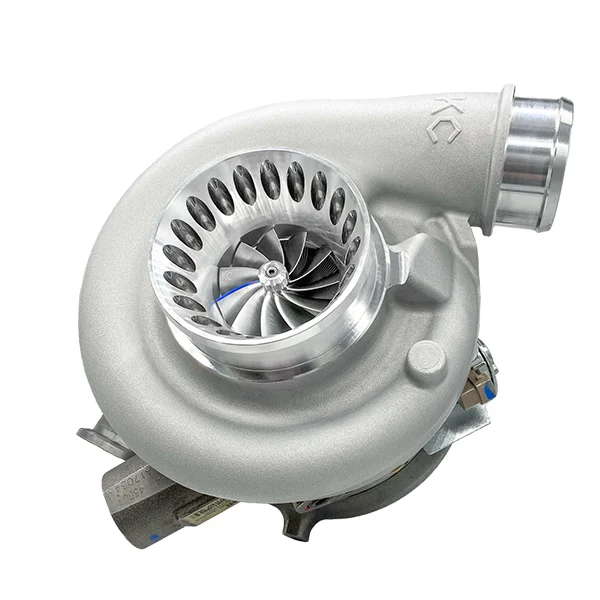
Swap out your worn turbocharger with a stock replacement or an upgraded version for a performance boost. Drop-in options like the Fleece Cheetah Turbocharger or the KC Turbo Jetfire can enhance throttle response and provide additional top-end power for a more exciting drive.

The oil cooler is one of the 6.0L’s more failure-prone components—and when it goes, it can cause serious issues. Clogging is common, often leading to elevated Engine Oil Temperatures. Even worse, a failed oil cooler can allow oil and coolant to mix, which is a recipe for major engine damage. Keeping an eye on this part—or upgrading it—is key to long-term reliability.

Another common trouble spot on the 6.0L is the EGR cooler. If you’re noticing white smoke at startup or while idling, it could be a sign that the EGR cooler has failed. Left unchecked, this issue can lead to more serious problems—so it’s definitely something to address sooner rather than later.
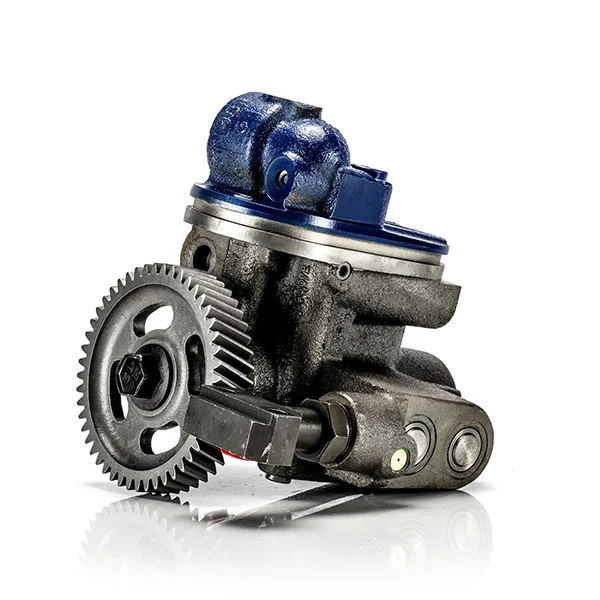
At some point, every 6.0L owner faces it—the High-Pressure Oil Pump (HPOP) will either fail or at least need new gaskets and seals. Luckily, the HPOP was updated during the 2004 model year, with later versions offering a bit more reliability. Keeping an eye on this part can save you from unexpected downtime and keep your engine running smoothly.

Boost your 6.0L’s fuel pressure and unlock improved performance, smoother drivability, and better protection for your injectors. The Blue Spring Upgrade Kit cranks up fuel pressure by around 10 psi, helping extend the life of key fuel system components. Whether your truck is stock or modified, this upgrade is a smart move for anyone looking to get the most out of their Powerstroke.
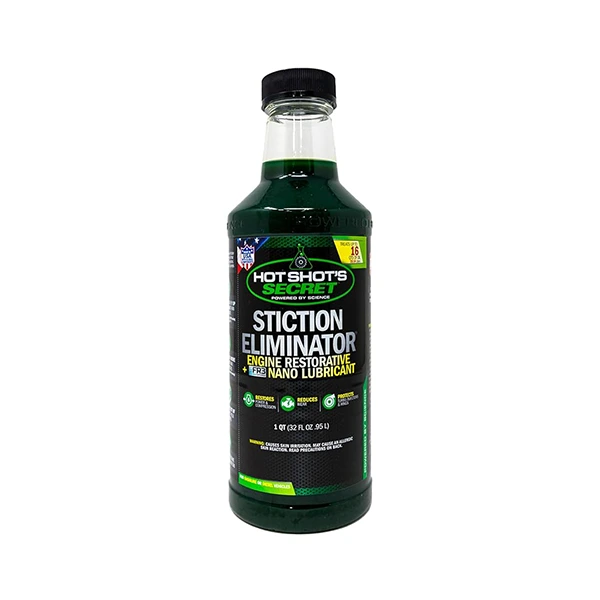
Oil additives are a smart addition to any diesel engine—they help reduce wear, boost fuel economy, and lower oil temperatures. On the 6.0L Powerstroke, they’re even more valuable, tackling pesky stiction and giving your struggling HEUI injectors a much-needed boost. It’s a simple upgrade that can make a big difference in keeping your engine running strong.
Production Years: | 2003, 2004, 2005, 2006, 2007 (production continued for 2008, 2009, and 2010 in Ford E-Series Vans) | |
Model Availability: | F250, F350, F350, F450, F550, Excursion, E350, E450 | |
Common Names: | 6.0, 6.0L, Powerstroke, Navistar VT365 | |
Configuration: | V8 | |
Displacement: | 365 cubic inches, 6.0 liters | |
Bore: | 3.74″ (95mm) | |
Stroke: | 4.134″ (105mm) | |
Cylinder Head: | Cast Iron w/ Four 14mm Head Bolts Per Cylinder (10 Per Bank) | |
Engine Block: | Cast Iron | |
Firing Order: | 1-2-7-3-4-5-6-8 | |
Compression Ratio: | 18.0 : 1 | |
Pistons: | Cast Aluminum | |
Connecting Rods: | Forged Steel | |
Injection: | Direct injection, Electro-Hydraulic Generation Two (G2) Injection Technology (HEUI injectors, 26,000 psi) | |
Fuel Pump: | Electric Low-Pressure Lift Pump | |
Turbocharger: | Garrett GT3782VA Variable Geometry Turbocharger (VGT) | |
Valvetrain: | 4 Valves Per Cylinder (32 Valve Pushrod Valvetrain) | |
Weight: | Approx. 966 lbs | |
Oil Capacity: | 15 qts w/ Filter (14.2L) | |
Horsepower: | 2003-2007 | 325 HP @ 3,300 RPM |
Torque: | 2003-2004 | 560 lb-ft @ 2,000 RPM |
2005-2007 | 570 lb-ft @ 2,000 RPM | |
Battery: | ||
Transmissions: | ZF S6-750 6-Speed Manual | |
5R110W (TorqShift) 5-Speed Automatic |
Engine Oil: | 15W-40 | Acceptable viscosity in ambient temps > 10° F Preferred viscosity in ambient temps > 30° F | 15.0 Qt Capacity w/ Oil Filter (14.2L) |
10W-30 | Acceptable viscosity in ambient temps -10 to 90° F Preferred viscosity in ambient temps -10 to 30° F | 15.0 Qt Capacity w/ Oil Filter (14.2L) | |
5W-30 | Acceptable viscosity in ambient temps < 30° F | 15.0 Qt Capacity w/ Oil Filter (14.2L) | |
0W-30 | Acceptable viscosity in ambient temps < 0° F | 15.0 Qt Capacity w/ Oil Filter (14.2L) | |
Engine Oil API Category: | CI-4/CH-4 or equivalent | ||
Engine Coolant: | Motorcraft VC-7-B (Gold Engine Coolant) | 27.5 Qt Capacity (6.875 Gallons) | |
Automatic Transmission Fluid: | 5R110W (TorqShift) 5-Speed | Mercon SP ATF | 17.5 Qt |
Manual Transmission Fluid: | ZF S6-750 6-Speed | Mercon V ATF | 5.8 Qt |
Transfer Case Fluid: | NP271/NP273 | Motorcraft XL-12 (Replaced by Mercon LV) | 2.0 Qt |
Front Differential Fluid: | Dana 50 Front | SAE 80W-90 | 3.0 Qt |
Dana 60 Front | SAE 80W-90 | 3.0 Qt | |
Rear Differential Fluid: | Sterling 10.50″ Rear (F250/F350 SRW) | SAE 75W-140 | 3.45 Qt |
Dana 80 Rear (F350 DRW/F450) | SAE 75W-90 | 4.25 Qt | |
Dana 135 Rear (F550) | SAE 80W-90 | 12.25 Qt | |
Limited Slip Additive: | Motorcraft XL-3 Friction Modifier | ||
Brake Fluid: | DOT-3 Brake Fluid | Fill To Reservoir Marker | |
Power Steering Fluid: | MERCON V ATF | Fill To Correct Dipstick Level |
Service Procedure | Interval |
Replace Engine Oil & Filter: | 7,500 miles/6 months under normal driving conditions 5,000 miles/6 months under severe driving conditions |
Replace Fuel Filter: | 15,000 miles |
Replace Air Filter: | Monitor Air Filter Minder (mounted to air filter housing) |
Engine Cooling System: | Initial Service – 100,000 miles/5 years Subsequent Service – 45,000 mile/3 years (Motorcraft Gold Engine Coolant) |
Replace Automatic Transmission Fluid & Filter: | 30,000 miles |
Replace Manual Transmission Fluid: | 60,000 miles |
Replace Transfer Case Fluid: | 150,000 miles under normal operating conditions 60,000 miles under severe duty conditions |
Replace Front Differential Fluid (4×4) | 100,000 miles under normal operating conditions 30,000 miles under severe duty conditions |
Replace Rear Differential Fluid | 100,000 miles under normal operating conditions 30,000 miles under severe duty conditions |
All other logos and trademarks are the property of their respective owners
© Copyright Rainer Diesel Performance - All Rights Reserved 2026