

No products in the cart.
All other logos and trademarks are the property of their respective owners
© Copyright Rainer Diesel Performance - All Rights Reserved 2026
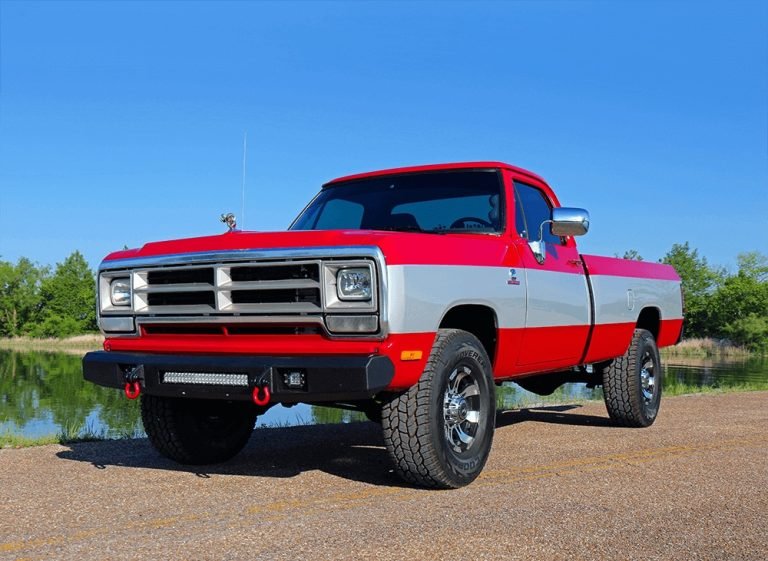
When Dodge dropped the 5.9L Cummins turbo diesel into their Ram lineup in 1989, it didn’t just give their aging trucks new life—it rewrote the rules for diesel pickups. These first-gen Rams were the spark that ignited a revolution, making Dodge a serious contender in the heavy-duty truck game and creating a cult following that’s still going strong today.
Whether you’re looking to buy one, restore one, or just want to geek out over diesel history, this guide breaks down everything you need to know about the 1989–1993 12-valve Cummins-powered Ram trucks.
At the heart of these trucks is the legendary 5.9L 12-valve Cummins—an inline-six turbo diesel that changed everything. Straight from the factory, it put out up to 400 lb-ft of torque, which was double what other truck manufacturers were offering at the time.
Engine: 5.9L inline-6 turbo diesel (6BT)
Injection Pump: Bosch VE rotary
Turbo: Holset H1C
Horsepower: 160–175 hp (depending on year)
Torque: 400+ lb-ft
In 1991.5, Dodge added an intercooler, which improved performance and fuel economy. That makes 1991.5–1993 models especially desirable for their added efficiency and tuning potential.
From 1989–1993, Dodge Ram trucks came in the familiar 150 (½-ton), 250 (¾-ton), and 350 (1-ton) series. Two-wheel drive trucks were labeled with a “D” (e.g., D250), while four-wheel drives got a “W” (e.g., W350). The game-changer was the introduction of the 5.9L Cummins diesel in ¾- and 1-ton models—originally only in regular cab, long bed configurations. The Club Cab (extended cab) option with the Cummins came later: in 1990 for D/W250 models, and in 1992 for the D/W350 lineup.
In 1991, Dodge revved things up by adding an air-to-air intercooler to their diesel trucks — a game changer! This nifty upgrade cooled the hot, turbocharged air before it hit the engine, making combustion cleaner and more efficient. The result? Lower exhaust gas temperatures (EGTs), better fuel economy, and a noticeable power boost. That same year, Dodge also swapped out the old 3-speed A727 Torqueflite automatic for the slicker 4-speed A518 (46RH), helping drivers save even more at the pump. Thanks to these smart upgrades, the 1991.5–1993 models have earned a special place in the hearts of diesel fans, often considered more desirable than their 1989–1991 predecessors.
A turbocharger is like a clever air booster—it captures energy from the engine’s exhaust gases and squeezes that energy into compressed air. This supercharged air rushes into the engine, delivering more power, better fuel efficiency, and stronger towing muscle, especially when you’re up in the mountains. Thanks to this tech, Dodge’s aging D250/350 & W250/350 Rams leapt ahead with a best-in-class 400 lb-ft of torque. Meanwhile, GM and Ford were still running naturally aspirated diesels—GM’s Detroit Diesel 6.2 managed 240 lb-ft, and Ford’s International Harvester 7.3 IDI hit 338 lb-ft.
Sure, 160 horsepower and 400 lb-ft of torque might seem modest compared to today’s diesel beasts, but the 6BT engine is a powerhouse sleeper. With a handful of aftermarket upgrades, you can easily crank those numbers way up. Plus, since the 6BT was built tough for commercial and farm work, it’s more than ready to handle extra power without needing a full rebuild. Talk about a diesel that’s built to last—and grow!
While the 5.9L Cummins diesel is legendary for its reliability, it’s not without a pesky Achilles’ heel: the infamous Killer Dowel Pin (KDP). This little troublemaker lurks inside the timing gear housing of 1989–2002 12-valve and 24-valve 5.9 engines and, if it fails, can cause catastrophic engine damage—sometimes beyond repair.
Here’s the scoop: the 6BT uses a steel dowel pin pressed into the block to align the aluminum timing gear housing. It sits just above the cam gear and next to the injection pump gear. But, straight from the factory, this pin isn’t secured—meaning, over time, vibrations can nudge it loose. When that pin decides to wander, it might just cause harmless mischief… or it could wreak serious havoc inside your engine.
Luckily, the fix is simple and affordable. Plenty of kits are out there featuring a teardrop-shaped steel retainer that bolts on to lock the pin in place—keeping it from going rogue. Installing a KDP kit is cheap insurance to protect your Cummins’ heart and keep it running strong for miles to come.
Rust is the inevitable frenemy of any vintage pickup—especially if your truck’s spent winters battling salty, snow-slicked roads. Make sure to give the usual trouble spots a thorough once-over: the bed’s underside, cab corners, rocker panels, and floorboards. Don’t forget those doors, either—leaky vent windows or worn-out weather stripping can sneak in moisture and invite rust to the party.
If your Ram’s clocked some serious miles or seen hard work, the suspension components probably need a little love. Those trusty kingpins tend to wear out over time and could use refreshing. The automatic transmissions from this era aren’t exactly bulletproof either, so a rebuild or upgrade might be in order—especially if you’re thinking of unleashing more power from that 6BT Cummins. And let’s be real: like any seasoned classic, a few electrical gremlins might pop up now and then. Consider it part of the charm!
With their iconic styling and the bulletproof 5.9L Cummins diesel humming under the hood, the 1989–1993 Dodge Rams have earned their status as modern classics—and they pack some serious investment potential. These trucks are rugged, reliable, and full of character, making them a favorite for enthusiasts and daily drivers alike.
That said, rust is the biggest challenge you’ll encounter when shopping for a D250/350 or W250/350. The salty roads and snowy winters of northern climates can wreak havoc on these trucks’ frames and bodies over time. If you can find one that’s spent most of its life in a dry, arid region like the Southwest, you’ll be miles ahead. A rust-free or rust-minimal truck means less time and money spent on repairs, and more time enjoying the raw power and classic style that made these Rams legendary. After all, a solid truck is the foundation of a great build, and with the right find, you’re set up for many miles of trouble-free driving.
Pros
Cons
Sure, 160 horsepower and 400 lb-ft of torque were mighty impressive back in 1989, but compared to today’s diesel giants, it might seem a bit modest. The good news? The 6BT engine is a powerhouse when it comes to upgrades and responds really well to modifications. Whether you’re aiming to boost performance or need extra muscle for towing heavy loads, there are plenty of popular upgrades that can help you close the gap and unleash some serious power.
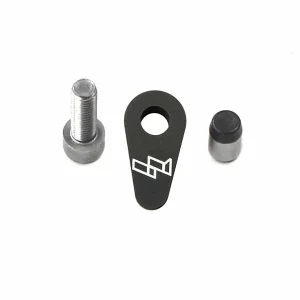
As we mentioned earlier, the Killer Dowel Pin (KDP) Kit is like affordable peace of mind for your 5.9L engine—cheap insurance that can save you from a costly engine nightmare.
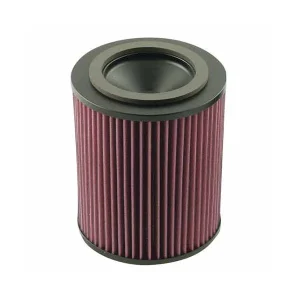
Think of your engine as one big air pump—the more air it can inhale and exhale, the more power it can produce. Upgrading to a less restrictive air filter helps your engine breathe easier, unlocking better performance and efficiency.
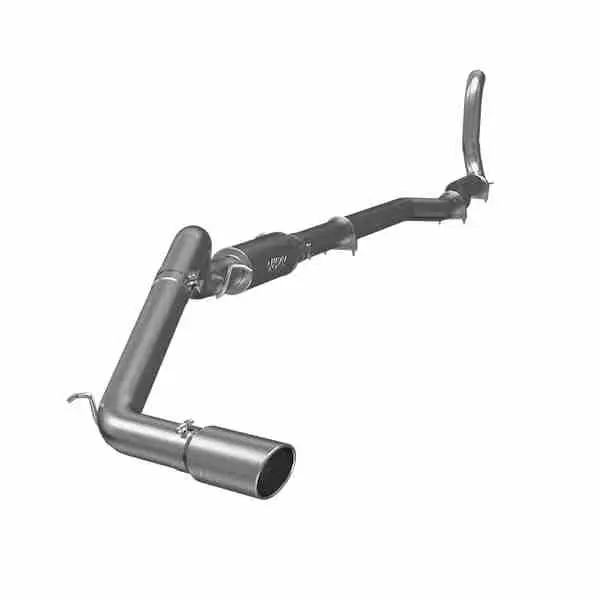
Upgrade your exhaust system, and you’ll not only boost horsepower and torque but also keep those exhaust gas temperatures (EGT’s) in check. It’s a win-win for your ride!
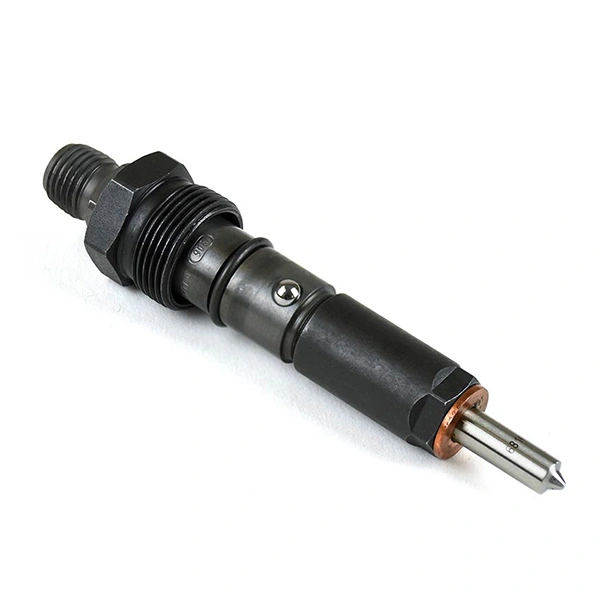
Direct-fit replacement and performance fuel injectors make replacing worn-out injectors simple and efficient, getting your truck back to peak performance in no time.
Check out our stock and performance fuel injectors

Fuel pumps are a common weak spot on these trucks, so it’s smart to upgrade your fuel lift pump since the factory one often struggles to keep up, even at stock levels. Upgrading to something like an AirDog or FASS is a great move—they offer extra volume to ensure your system runs smoothly and efficiently.
Upgrade your fuel system by adding an Lift Pump
Production Years: | 1989, 1990, 1991, 1992, 1993 | |
Model Availability: | D250, D350, W250, W350 | |
Common Names: | 5.9, 5.9L, 6BT, 12V, 12 Valve, 1st Generation, 1st Gen | |
Configuration: | Inline 6 cylinder | |
Displacement: | 359 cubic inches, 5.9 liters | |
Bore: | 4.02″ (102mm) | |
Stroke: | 4.72″ (120mm) | |
Cylinder Head: | Cast Iron | |
Engine Block: | Cast Iron w/ 6 Head Bolts Per Cylinder | |
Firing Order: | 1-5-3-6-2-4 | |
Compression Ratio: | 17.0 : 1 | |
Crankshaft: | Forged Steel, 7 Main Bearings | |
Pistons: | Cast Aluminum | |
Connecting Rods: | Forged-Steel, I-Beam | |
Intake Manifold: | Cast Aluminum | |
Injectors: | Bosch | |
Injection: | Direct Injection (DI), Mechanical Injection Pump, Mechanical Fuel Injectors | |
Fuel Pump: | Bosch VE44 Rotary Injection Pump | |
Aspiration: | 1989 – 1991 | Holset H1C Turbocharger, Non-Intercooled |
1991.5 – 1993 | Holset H1C Turbocharger, Air-To-Air Intercooler | |
Valvetrain: | OHV, 2 Valves Per Cylinder, Solid Lifter Camshaft | |
Valve Lash (Clearance): | Exhaust Valve: | 0.020″ (Engine Cold) |
Intake Valve: | 0.010″ (Engine Cold) | |
Weight: | Approx. 1,100 lbs (Dry) | |
Oil Capacity: | 12 qts w/ Filter (11.4L) | |
Governed Speed: | 2,700 rpm | |
Horsepower: | 160 @ 2,500 rpm | |
Torque: | 400 @ 1,600 rpm | |
Battery: | ||
Transmissions: | 1989-1993 | Getrag 360 5-Speed Manual |
1989-1991 | Torqueflite A727 3-Speed Automatic | |
1991.5-1993 | A518 (46RH) 4-Speed Automatic with Overdrive |
Engine Oil: | 15W-40 | Ambient Temperature > 10° F | 12.0 Qts Capacity w/ Oil Filter (11.35L) |
10W-30 | Ambient Temperature 0 – 30° F w/o Block Heater, < 0° F W/ Block Heater | 12.0 Qts Capacity w/ Oil Filter (11.35L) | |
5W-30 | Ambient Temperature < 0° F w/o Block Heater | 12.0 Qts Capacity w/ Oil Filter (11.35L) | |
Engine Coolant: | 50/50 Ethylene Glycol Coolant, Distilled Water | 24.0 – 26.0 qts Capacity (~6 gallons) | |
Automatic Transmission Fluid: | Torqueflite A727 3-Speed | Dexron III or ATF+3 | 8-9 qts Service Refill Capacity 12-15 qts Dry Fill Capacity |
Automatic Transmission Fluid: | A518 (46RH) 4-Speed | ATF+4 | 4.0 qts Service Refill Capacity 14.5 – 16.5 qts Dry Fill Capacity |
Manual Transmission Fluid: | Getrag G360 | 5W-30 Motor Oil | 3.5 qts |
Transfer Case Fluid: | NP205 | ATF+4 | 2.5 qts |
Front Differential Fluid: | Dana 60 | SAE 75W-140 | 3.8 qts |
Rear Differential Fluid: | Dana 70 2WD | SAE 75W-140 | 3.5 qts |
Dana 70 4WD | SAE 75W-140 | 3.9 qts |
| Service Procedure | Interval |
| Replace Engine Oil & Filter: | 6,000 miles/6 months under normal driving conditions 3,000 miles/3 months under severe driving conditions |
| Replace Fuel Filter: | 12,000 miles/12 months under normal driving conditions 6,000 miles/6 months under severe driving conditions |
| Replace Air Filter: | 24,000 miles/24 months |
| Engine Cooling System: | 24,000 miles/24 months |
| Check/Adjust Valve Lash: | 24,000 miles/24 months |
| Adjust Automatic Transmission Bands: | 24,000 miles/24 months |
| Replace Automatic Transmission Fluid & Filter: | 30,000 miles |
| Replace Manual Transmission Fluid: | 60,000 miles |
| Replace Transfer Case Fluid: | 120,000 miles |
All other logos and trademarks are the property of their respective owners
© Copyright Rainer Diesel Performance - All Rights Reserved 2026